Can Anyone Be Hypnotized? The Truth About Suggestibility and Your Mind
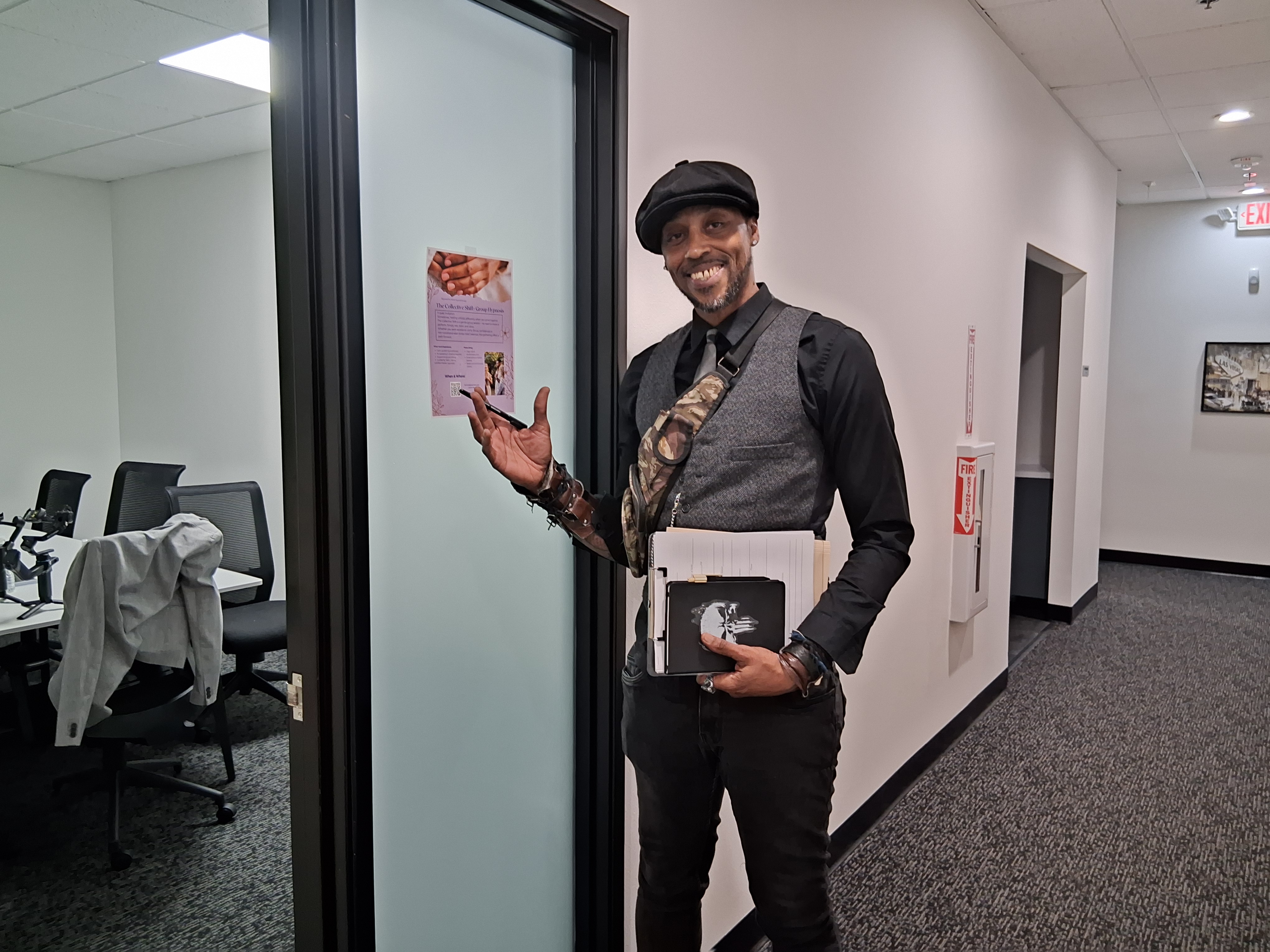

Hello, and welcome back! I'm Talib Kerns, a Certified Master Hypnotist and student at HMI. One of the most common questions I hear—sometimes tinged with hope, sometimes with skepticism—is: "Can anyone be hypnotized?"
The short answer is: Yes, nearly everyone can experience hypnosis to some degree. But the fuller answer is more nuanced. The real question isn't whether you can be hypnotized—it's how your unique mind responds to hypnosis.
Today, we're exploring the fascinating neuroscience of suggestibility and why understanding your type is the key to unlocking transformative change.
What Is Hypnotizability?
Scientific research shows that hypnotizability—the capacity to respond to hypnotic suggestions—depends mainly on individual factors such as suggestibility and attitude toward hypnosis, rather than solely on the hypnotist's skill.
In other words, hypnosis isn't something that's done to you. It's a collaborative process that works with the unique wiring of your brain.
Most hypnosis experiments and studies contrast the response patterns of highly suggestible individuals (who comprise the upper 10–15% of the population) against a control group. But here's the good news: you don't need to be in that top 10% to benefit from hypnotherapy. People across the entire spectrum of suggestibility can and do experience profound results.
The Neuroscience of Suggestibility
Our understanding of hypnotizability has deepened significantly thanks to modern neuroimaging. A comprehensive 2024 review published in Brain Sciences examined research employing functional magnetic resonance imaging (fMRI), positron emission tomography (PET), and electroencephalography (EEG) to study the cognitive neuroscience of hypnosis.
Key findings include:
Functional connectivity findings support the notion that disruptions in the integration between different components of the executive control network during hypnosis may correspond to altered subjective experiences.
EEG band oscillations serve as indicators of hypnotic states, showing measurable differences in brainwave activity between waking and hypnotic states.
Frontal lobes and neurochemical activity at waking-rest are linked to individual differences in hypnotizability, suggesting that your baseline brain state influences how readily you enter hypnosis.
In simpler terms: your brain has a natural "hypnotic signature." Some people's brains more readily shift into the focused, receptive state we call trance. But with practice and the right approach, everyone can learn to access this state more easily.
The Two Types of Suggestibility: A Kappasinian Perspective
Dr. John Kappas, founder of HMI, developed a groundbreaking framework for understanding how people respond to hypnosis. He identified two primary suggestibility types:
1. Emotional Suggestibles
How they process: They respond primarily to emotion, feeling, and intuition.
Language style: They use feeling-based language ("I feel like...", "That resonates with me").
Hypnotic approach: They respond best to indirect, permissive, and metaphorical suggestions.
What to know: Emotional suggestibles are often highly imaginative and deeply responsive to storytelling and imagery.
2. Physical Suggestibles
How they process: They respond primarily to logic, facts, and physical sensations.
Language style: They use concrete, literal language ("I think...", "That makes sense").
Hypnotic approach: They respond best to direct, authoritative, and literal suggestions.
What to know: Physical suggestibles often need to understand why something works before they can fully engage.
Why Your Suggestibility Type Matters
Understanding your suggestibility type isn't just an interesting personality test—it's the difference between a session that works for you and one that doesn't.
When I work with a client, I tailor every suggestion, every metaphor, and every technique to their specific type. An emotional suggestible needs to feel the change. A physical suggestible needs to understand it. Mismatch the approach, and the subconscious mind may resist.
This is why standardized, one-size-fits-all hypnotherapy recordings often fall short. Your mind is unique—and your hypnosis should be too.
What About the "Unhypnotizable"?
Occasionally, someone will say, "I tried hypnosis and it didn't work for me." Often, this isn't because they can't be hypnotized—it's because the approach wasn't aligned with their suggestibility type, or they had unconscious resistance (often rooted in fear or skepticism).
Other factors that can influence responsiveness include:
Attitude and expectation: Approaching hypnosis with an open, curious mindset increases responsiveness.
Fatigue and stress: A tired or overwhelmed nervous system may have difficulty settling into trance.
Medication or substances: Certain substances can affect brainwave activity.
Therapist-client rapport: Trust and safety are foundational to any hypnotic work.
Can You Increase Your Hypnotizability?
Emerging research suggests that we may be able to enhance hypnotizability. Studies on non-invasive brain stimulation (NIBS) have shown fascinating potential to alter hypnotizability and hypnotic phenomena.
While the impact on responsiveness to suggestions remains modest, these findings point to an exciting future where we might be able to "train" the brain to become more receptive to hypnosis.
In my practice, I've found that even clients who initially describe themselves as "hard to hypnotize" become more responsive over time. Like any skill, entering trance gets easier with practice—and self-hypnosis is a powerful tool for building that capacity.
So, Can You Be Hypnotized?
Almost certainly, yes. The real question is: Are you ready to discover how your unique mind works?
Hypnosis isn't about being "weak-minded" or "easily controlled." It's about accessing a natural state of focused attention that we all experience—whether we're daydreaming, getting lost in a movie, or meditating. The difference is that in hypnotherapy, we use that state intentionally, for your personal growth and transformation.
If you've ever wondered whether hypnosis could support your personal goals, I invite you to explore that possibility. I'll assess your suggestibility type, tailor the session to your unique mind, and guide you gently—at your own pace.
Warmly,
Talib Kerns Certified Master Hypnotist | Student at HMI
Sources
Elkins, G. "Non-invasive brain stimulation in the modulation of hypnotic experience and hypnotizability." ScienceDirect, 2025. (On individual factors in hypnotizability)
De Pascalis, V. "Brain Functional Correlates of Resting Hypnosis and Hypnotizability: A Review." Brain Sciences, 2024. (Comprehensive review of fMRI, PET, and EEG studies on hypnosis)
Kappas, J. G. Professional Hypnotism Manual. Hypnosis Motivation Institute. (Foundational text on emotional vs. physical suggestibility)
"Non-Invasive Brain Stimulation, Hypnosis, and Hypnotizability: Literature Review and Future Directions." 2024. (On the potential to alter hypnotizability)
Disclaimer: This blog is for informational and educational purposes only. Hypnotherapy is a complementary healthcare modality and is not a substitute for medical diagnosis, treatment, or professional medical advice. Always consult with a licensed physician or qualified healthcare provider regarding any physical or mental health concerns. No therapeutic outcomes are implied or guaranteed.

Comments